 niccleave

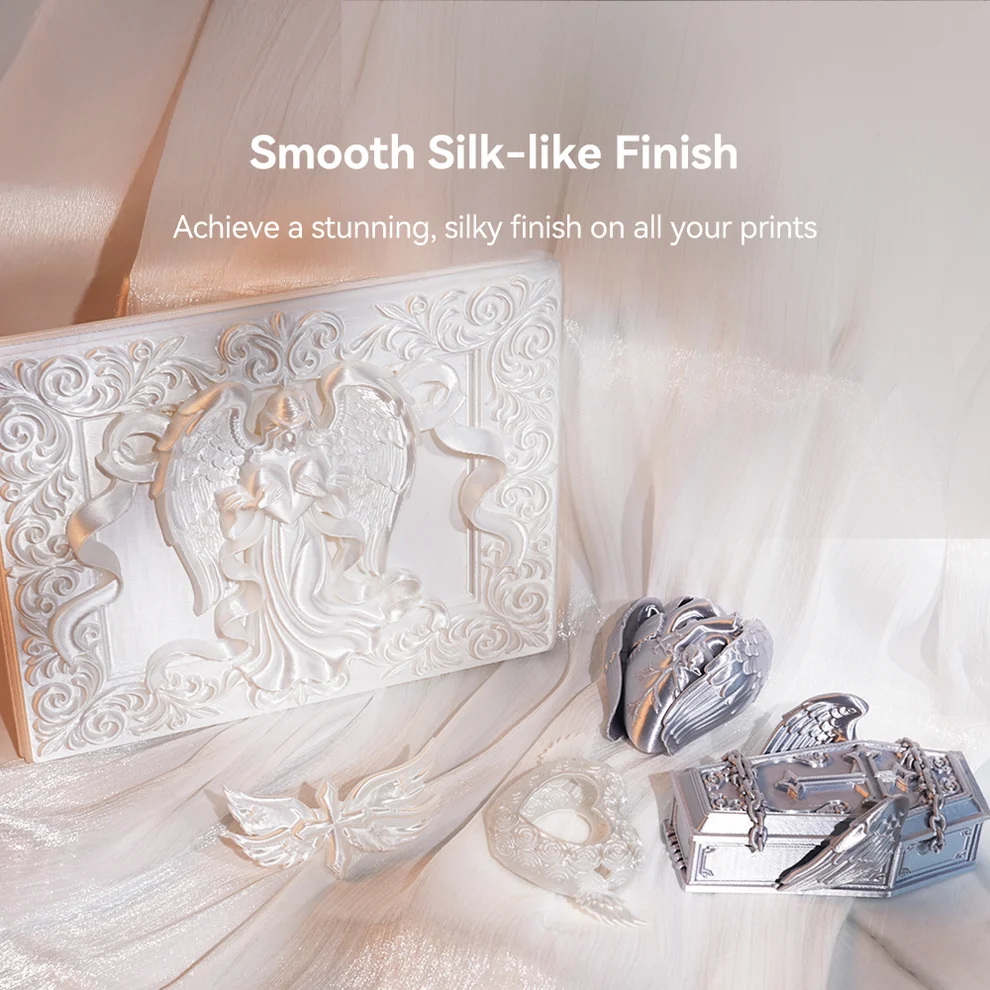
The primary upgrade from standard Silk PLA to Silk Plus lies in directly resolving the mechanical brittleness that frequently plagues highly reflective filaments. Standard Silk PLA is primarily designed to deliver a glossy finish, while an upgraded formulation may offer improved layer bonding and durability. The actual difference depends on the manufacturer’s formulation and test results. The Plus variant retains the stunning visual sheen while integrating advanced impact modifiers that significantly enhance structural durability. For creators who require both a flawless glossy surface and a reliable mechanical component, this fundamental formulation shift effectively addresses the core weaknesses of conventional silk materials.
Interlayer Strength and Impact Resistance
The most noticeable difference emerges during the physical handling of finished parts. Standard PLA Silk produces visually striking display pieces, yet thin walls or articulated joints can fracture easily if dropped, because the Z-axis layer bonding is inherently weaker due to the elastomeric additives required for the shine. Silk Plus addresses this vulnerability directly by modifying the polymer chain at a molecular level. This modification drastically improves layer fusion and allows the material to absorb physical shocks rather than shattering along the layer lines.
This enhanced toughness actively expands the range of functional applications for makers. Designers can confidently print snap-fit enclosures, living hinges, and mechanical prototypes that endure repeated physical interaction and flexing. The upgraded formula provides better impact resistance, ensuring the printed object maintains its structural integrity during daily use. The glossy finish no longer comes at the cost of fragility, making the material far more versatile and dependable for practical engineering tasks.
Extrusion Consistency and Feed Reliability
Beyond structural strength, the printing experience itself becomes significantly smoother with the upgraded formula. Standard silk filament can suffer from inconsistent melt flow, which leads to partial nozzle clogs or sudden filament snapping within the extruder gears during long, multi-day builds. The modified Plus variant offers a highly stable melt viscosity, ensuring the material feeds predictably from the very first layer to the last without frustrating interruptions.
This continuous flow is particularly crucial when printing large, complex models where surface consistency matters most. A steady extrusion rate prevents the formation of rough patches or surface artifacts that break the illusion of a smooth, polished finish. When calibrating a Silk Filament for high-speed printing, the Plus version demonstrates superior stability at higher volumetric flow rates. Operators can run faster print jobs without worrying about the filament buckling or grinding inside the feed mechanism, which saves both production time and wasted material.
Thermal Tuning and Surface Gloss Preservation
Achieving the best surface reflection requires precise thermal calibration based on the specific spool. For the specific SUNLU Silk Rainbow PLA Plus variant discussed here, the recommended nozzle temperature is 205–215 °C at moderate printing speeds, increasing to 215–235 °C for high-speed applications. The recommended heated bed temperature is 50–65 °C. These settings should be treated as product-specific guidelines rather than universal parameters for all Silk Rainbow filaments. Since different color combinations and formulations may have different printing requirements, users should always refer to the temperature recommendations provided for their particular spool. If the printed surface looks dull or uneven, adjust the nozzle temperature within the manufacturer’s recommended range and test different outer-wall speeds.
However, cooling must be managed carefully to avoid ruining the aesthetic. Aggressive part cooling fans can freeze the outer walls too rapidly, potentially reducing surface gloss and resulting in a less reflective finish. Operators should dial in a moderate fan speed that solidifies overhangs while preserving the reflective surface. Slower print speeds around the outer perimeter remain the most effective method for maximizing reflectivity, preventing the extruder from stretching the heated plastic and dulling the final finish.
Post-Processing Efficiency and Surface Care
Although Silk Plus can produce a glossy finish directly during printing, some models may still require minor post-processing to remove support marks, seams, or small surface imperfections. Care is needed when sanding or trimming these areas, as excessive abrasion can reduce the characteristic silk sheen. Using a fine-grit abrasive with light pressure on localized areas helps minimize visible changes to the surrounding surface.
For decorative pieces and intricate designs, preserving the original surface finish is often more important than extensive polishing. Before applying paint, coatings, or other finishing treatments, makers should test their compatibility on a small sample, as some treatments may alter the filament’s reflective appearance. These simple precautions help maintain the visual qualities of Silk Plus while allowing room for further customization.
Application Matching and Long-Term Storage
The decision between standard and Plus variants depends entirely on the intended end-use of the object. Standard Silk PLA works well for static display models, decorative vases, and low-stress art pieces where visual impact is the only priority. The lower cost makes it a reasonable choice for large, non-functional decorative prints.
The Plus version justifies its premium when the printed part will be handled, assembled, or subjected to mechanical stress. Promotional items, cosplay armor, and functional desk accessories require the additional toughness that the upgraded formula provides. While the mechanical properties are improved, the base polymer remains sensitive to ambient moisture. Spools should be stored in a sealed container with fresh desiccant to prevent hydrolysis, which can cause popping sounds and surface defects during extrusion.
Under proper storage conditions, the material maintains a reliable shelf life of roughly one and a half to two years, ensuring consistent performance for future projects. Sourcing from a reputable manufacturer like SUNLU ensures tight diameter tolerances and uniform spool winding. The upgrade to Silk Plus is ultimately a practical choice for makers seeking a balance between an attractive aesthetic finish and improved mechanical performance.