 niccleave
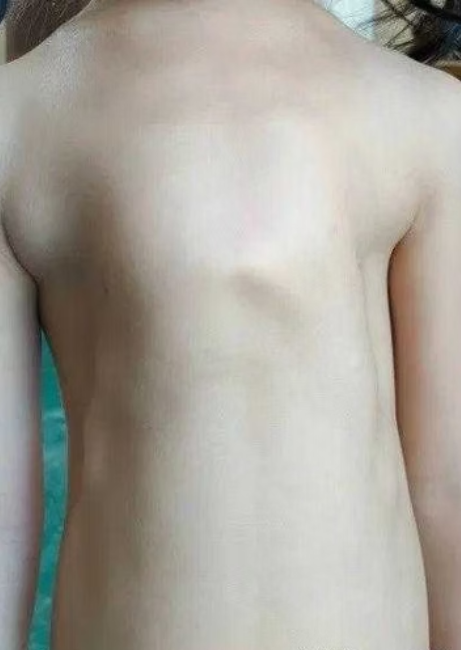
Asphyxiating thoracic dystrophy (ATD), also known as Jeune syndrome, is a very rare chest wall deformity characterized by abnormal development of the thoracic cavity, often accompanied by multiple organ dysfunction. ATD can be classified into two types: Type I ATD and Type II ATD, with distinct typical features and management for each subtype. Type I ATD is characterized by overall thoracic narrowing, with both transverse and anteroposterior diameters significantly smaller than those of a normal thorax; the main feature of Type II ATD is extensive bilateral chest wall depressions involving multiple ribs and often extending to the costal arches.
Causes, Symptoms, and Diagnoses
The exact cause of primary ATD remains unclear, but it may be caused by genetic factors, gene mutations, or abnormal embryonic development. Secondary ATD may result from open surgery for chest wall deformities. Resection of costal cartilages during the operation, combined with their inability to regenerate, leads to thoracic constriction and ultimately secondary ATD. Some of the most common symptoms are dyspnea, recurrent respiratory infections, and a constricted thoracic cavity. As the condition gets worse, it may also cause problems like renal failure and liver dysfunction.
To find out if someone has asphyxiating thoracic dystrophy (Jeune syndrome), doctors do a physical exam and use imaging tests like X-rays, chest CT scans, and 3D reconstruction. These tests help physicians identify the type of ATD and develop an appropriate surgical plan.
Surgery Management
At The Institute of Chest Wall Surgery (ICWS), for most patients with Type II Asphyxiating Thoracic Dystrophy (ATD), a combined surgery using the Wenlin procedure and the Wang procedure can be performed to correct the deformity. In addition, for a small number of Type II ATD patients with isolated lateral chest wall depression, satisfactory therapeutic results can be achieved with the Wang procedure alone.
For patients with Type I ATD, chest wall expansion surgery is an effective procedure, including midline chest wall expansion and lateral chest wall expansion according to the surgical approach.
In Conclusion
Getting diagnosed early and having the appropriate procedure are both very important for people with ATD to improve their breathing and overall quality of life. The Institute of Chest Wall Surgery (ICWS) offers specialized procedures that treat the complicated condition while lowering risks and improving outcomes.