 niccleave
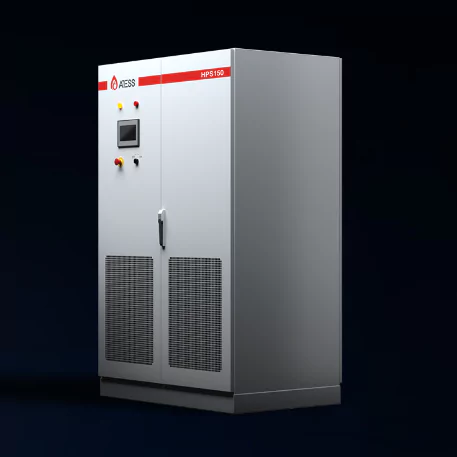
Misconceptions regarding energy storage hardware often circulate within the industry, leading to confusion about what specific equipment can achieve. It is important to clarify that a hybrid inverter is designed to manage complex power flows, yet it is not a cure-all for every electrical issue. Similarly, the actual performance of a Solar Inverter with Battery system relies on proper sizing and installation, rather than marketing claims alone, which is why technical accuracy remains vital for those working with Atess equipment.
Addressing Performance Expectations
Some observers assume that installing a hybrid inverter guarantees total energy independence regardless of system size. In practice, the total capacity is limited by the physical constraints of the solar array and the energy storage units connected to the bus. When engineers deploy a Solar Inverter with Battery solution, they must calculate the load requirements carefully to ensure that the equipment handles the intended demand without overloading the internal conversion circuits.
Another common myth is that maintenance requirements are nonexistent for these systems. While modern hardware is robust, a hybrid inverter requires periodic environmental inspections and firmware updates to ensure communication protocols remain stable. Reliability is not automatic; it is maintained by technicians who monitor the performance data of the Solar Inverter with Battery setup to identify potential voltage variances before they impact the broader facility power supply.
Clarifying Technical Realities
Energy systems function according to established physics, not abstract convenience. Claims that such hardware removes the need for grid interaction ignore the necessity of balancing variable generation with steady consumption. When they utilize Atess systems, professionals focus on how the hardware regulates charging cycles to maximize component life. By viewing these systems as precision tools rather than passive solutions, they ensure that the energy infrastructure remains reliable over the intended service life.
Maintaining these systems requires a focus on documented capabilities and realistic operational boundaries. By rejecting oversimplified myths, professionals provide reliable support for onsite energy projects, ensuring that power storage remains a consistent and effective component of the electrical layout.