 niccleave
Industrial power conversion inherently generates massive thermal loads. In heavy-duty sectors like mining operations, expansive data centers, and critical oil and gas exploration sites, continuous electricity generation is non-negotiable. However, this relentless operation produces immense heat. If not properly managed, rising temperatures aggressively break down internal insulation and degrade overall electrical output over time. When building large-scale power plants or complex infrastructure projects, engineering, procurement, and construction (EPC) contractors must carefully evaluate how thermal dynamics impact core electrical hardware over its expected operational lifecycle.
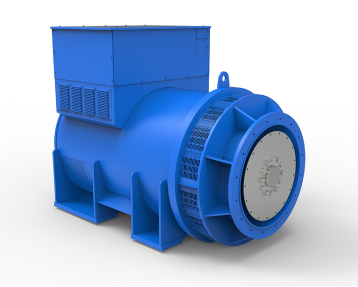
Selecting a specifically engineered high power alternator is the foundational step in securing long-term operational stability against thermal degradation. Specialized manufacturing partners provide only this crucial electrical component, ensuring it is meticulously designed to pair seamlessly with mechanical engines. By sourcing a dedicated component rather than generic parts, facility managers ensure their power generation architecture is built to withstand the intense thermal realities of continuous heavy industry.
Mitigating Thermal Stress Through Premium Raw Materials
When evaluating how temperature impacts equipment longevity, the physical makeup of electrical hardware is the most fundamental consideration. Continuous industrial loads cause operating temperatures to spike. Heat accelerates physical wear, causing substandard components to experience premature insulation failure or severe voltage drops. Professional alternator manufacturers understand that surviving this thermal stress begins strictly with a rigorous supply chain.
By focusing exclusively on premium raw materials, dedicated engineering brands ensure their wide product ranges can safely endure relentless, high-temperature industrial environments. High-grade manufacturing inputs inherently possess much better resistance to the degrading effects of continuous thermal cycling. Whether deployed in sun-baked offshore marine settings or enclosed commercial buildings, these superior materials maintain structural and electrical integrity long after standard components fail from heat exhaustion.
This uncompromising approach to material selection directly translates to stable, reliable power output over a significantly longer service life. From a facility management perspective, deploying hardware built with thermally resistant premium raw materials drastically reduces the frequency of unexpected electrical breakdowns. Operators spend less time troubleshooting heat-related failures and more time performing routine, scheduled maintenance, thereby protecting their personnel and their critical infrastructure investments.
Enclosure Airflow and Compact Structure Design
The physical layout of massive power generation units directly influences how effectively the system manages ambient heat. When global generator builders construct an industrial 3 mw generator, they must carefully integrate the specialized electrical alternator with a heavy-duty mechanical prime mover. This integration happens inside a shared canopy or restricted emergency power system room. Strict spatial constraints within these environments can severely restrict natural airflow, creating dangerous heat traps around core components.
Opting for specialized electrical components that feature a highly compact structure design significantly mitigates these spatial and thermal risks. A streamlined physical footprint inherently reduces the overall space the alternator occupies inside the final generator set enclosure. This structural efficiency translates directly to better ambient clearance around the unit, leaving more valuable room for cooling air to circulate and dissipate waste heat away from the machinery, keeping operational temperatures within safe limits.
Furthermore, this deliberate structural efficiency provides facility technicians with safer, unobstructed access. Adequate spatial clearance allows maintenance personnel to easily conduct routine thermal checks and verify that the surrounding cooling architecture is functioning correctly. Technicians can operate without navigating cramped enclosures, ensuring continuous power operations do not succumb to heat saturation.
Engineering for Lower Heat Generation via Independent R&D
Securing long-term operational safety in thermally demanding industrial environments requires partnering with an independent R&D brand that prioritizes technical advancement. Excessive heat is often a direct byproduct of electrical inefficiency. Therefore, improving the core engineering of the alternator fundamentally reduces the amount of waste heat generated during operation in the first place, lessening the burden on external cooling systems.
Access to a deep portfolio of technical innovations gives global generator manufacturers a distinct advantage when addressing complex thermal challenges. For example, the company’s national industrial design patents fully demonstrate its commitment and responsibility to long-term, in-depth engineering research and development to improve power energy efficiency. These patented industrial designs translate directly into highly reliable power conversion that inherently produces less thermal strain under heavy industrial loads.
Relying on meticulously researched engineering ensures that whether a project utilizes low voltage, high voltage, or marine alternators, the component handles continuous operational stress exactly as intended. By focusing entirely on refining the alternator component to run cooler and more efficiently, specialized manufacturers remove costly guesswork from procurement and maintenance.
Combating Thermal Degradation with Assured Warranties
Beyond structural and material advantages, predictable supply chains and stable service support help operators reduce the long-term impact of thermal degradation.Continuous exposure to high operating temperatures will eventually test the limits of any installation. Partnering with an alternator supplier that maintains stable production capacity ensures that heat-resistant components are delivered precisely when needed. Fast delivery entirely prevents rushed, potentially hazardous installations that might compromise the overall cooling layout of the job site.
The ultimate measure of a secure power system is its proven ability to perform reliably over years of intense thermal cycling without premature breakdown. Deploying equipment backed by a standard two-year warranty explicitly demonstrates the manufacturer’s confidence in their engineered designs, patented structures, and premium raw materials. This 24-month warranty coverage provides the financial security necessary for EPC contractors to construct power infrastructures capable of withstanding extreme temperature fluctuations.
By strictly prioritizing premium raw materials that resist heat, along with structural designs that promote internal airflow, procurement teams actively protect their capital investments. Sourcing dedicated electrical hardware from a specialized brand like EvoTec Power helps provide a reliable and manageable power supply for global heavy industry applications.