 niccleave
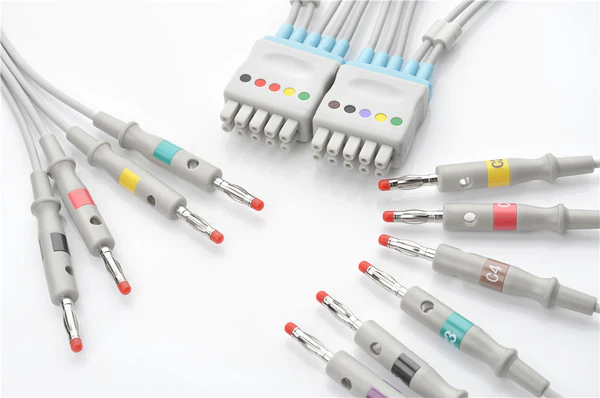
In the production of patient monitor accessories, traceability is essential for ensuring safety, consistency, and regulatory compliance. Components such as ECG cables, SpO2 sensors, and temperature probes must deliver accurate signals without interruption. For medical cable assembly manufacturers, this means every product must be fully traceable from raw material to final delivery.
Unimed integrates traceability into its manufacturing approach, allowing each accessory to be tracked throughout its lifecycle. This ensures that hospitals and distributors can rely on consistent product performance across different batches and applications.
Building a Traceable Manufacturing System
To achieve high-volume traceability, manufacturers implement structured systems that record every step of production. This includes tracking raw materials, component suppliers, and batch numbers. Each cable assembly is assigned identifiers such as serial numbers or lot codes, linking it to detailed production records.
Advanced systems such as ERP and MES platforms help manage this data efficiently. These systems generate unique identifiers and maintain real-time records of manufacturing activities, including assembly, testing, and packaging.
In addition, barcode labeling and digital documentation allow manufacturers to monitor products across large-scale production lines. This approach supports both backward traceability, which identifies material sources, and forward traceability, which tracks product distribution.
Process Control and Quality Verification
Traceability is closely tied to quality control in medical cable assembly manufacturers. Each production stage is documented, including operator details, equipment used, and inspection results. Testing data such as electrical performance and durability checks are linked to specific product batches.
Manufacturers also implement inspection processes such as continuity testing and functional verification to ensure cables meet medical standards. These results are stored alongside production records, making it easier to identify and resolve potential issues.
At Unimed, a complete quality traceability system supports consistent production of patient monitor accessories, helping ensure that every cable meets required safety and performance standards.
Conclusion
High-volume traceability is a core capability for modern medical cable assembly manufacturers. Through structured data systems, detailed process tracking, and integrated quality control, companies like Unimed maintain transparency across the entire production cycle. This approach not only supports regulatory compliance but also ensures reliable performance for patient monitor accessories used in daily clinical practice.